
When Should You Seek Treatment for Acne Scars?

Dr Cheong Wai Kwong
Senior Consultant Dermatologist
MBBS (Singapore), MRCP (UK), FRCP (Edinburgh), FAMS (Dermatology)
Acne scars can remain long after a breakout has settled, but deciding when to see a dermatologist is not always straightforward. You may wonder whether you should wait until your acne has completely cleared or seek advice as soon as changes in your skin become noticeable.
The right timing can depend on whether acne is still active, the type of marks or scars present and how your skin is healing. A dermatologist can assess these factors and advise whether the priority should be controlling ongoing breakouts, addressing existing scars or planning for both over time.
Why Timing Matters for Acne Scar Treatment
Acne scarring develops when inflammation damages the deeper layers of the skin and affects how tissue heals. Persistent or inflammatory acne can increase the likelihood of scarring, making timely acne management an important part of limiting further skin damage.
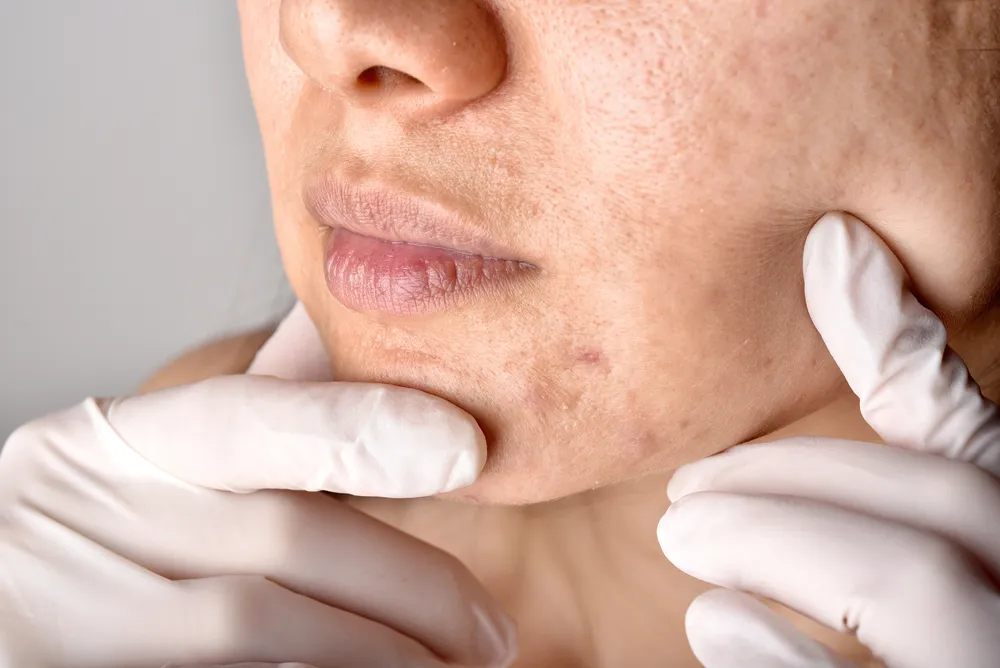
Seeking professional advice does not necessarily mean starting a scar procedure immediately. An assessment can help distinguish true scars from post-acne discolouration and identify the type and severity of any scarring. This matters because acne scars can differ in depth and structure, and treatment approaches vary accordingly.
If you notice persistent depressions, raised areas or changes in skin texture after breakouts, you may consider seeking an assessment early rather than waiting for the scars to become more established.
Can Acne Scar Removal Begin While Acne Is Still Active?
In many cases, controlling active acne is the first priority before beginning procedures specifically intended to improve scarring. Ongoing breakouts can create new inflammation and potentially lead to further scars, so addressing the underlying acne helps provide a more stable foundation for subsequent scar treatment.
This does not mean you need to postpone seeking advice until every breakout has disappeared. An assessment while acne is still active can help establish a plan for controlling current breakouts and managing existing scars at an appropriate stage.
The timing of acne scar removal will depend on factors such as your scar type, the severity of active acne, your skin condition and the treatment being considered. Rather than relying on a fixed timeline, your doctor can determine when your skin may be ready for scar-focused treatment.
What Are the Signs That Acne Scars May Need Treatment?
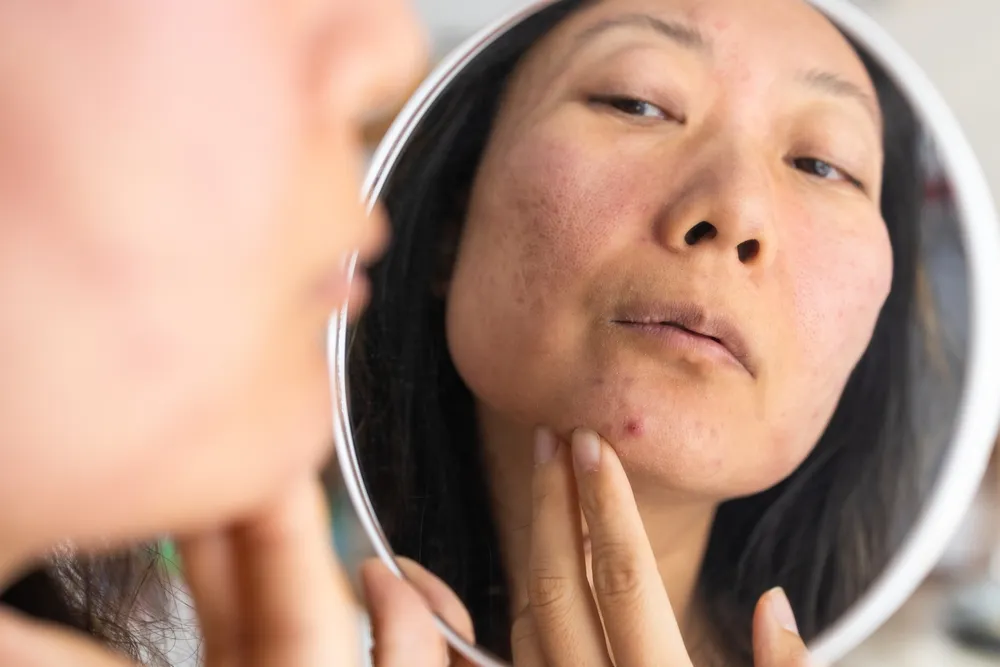
Not all post-acne marks require treatment, and some changes in skin colour may fade naturally over time. However, certain changes in skin texture or ongoing concerns may indicate that professional assessment would be beneficial.
Signs to consider include:
- Persistent changes in skin texture: Depressions, pits or raised areas that remain after acne has healed may indicate scarring rather than temporary discolouration. Unlike flat post-acne marks, these structural changes are less likely to resolve on their own.
- New scars developing after breakouts: If you continue to notice new scars, particularly alongside inflammatory acne, early assessment may help address ongoing breakouts and reduce the risk of further scarring.
- Scars affecting your confidence or daily life: Even relatively mild scarring can cause distress or self-consciousness. You do not need to wait until scars become extensive before discussing possible treatment options.
- Uncertainty about whether marks are scars: Red, brown or dark post-acne marks can sometimes be mistaken for scars. Distinguishing pigmentation changes from structural scarring is important because they may require different management approaches.
Start Your Acne Scar Care at Specialist Skin Clinic
Knowing how to address acne scars can feel less uncertain when you have guidance tailored to your skin. At Specialist Skin Clinic, our consultant dermatologists draw on over 60 years of combined experience to help patients understand their concerns and make informed decisions about their care.
In particular, Senior Consultant Dermatologist Dr Cheong Wai Kwong has practised dermatology since 1986 and has a special interest in acne and acne scars. His clinical experience informs an individualised approach to assessing different scar types and discussing suitable management options with patients.
If you are concerned about persistent acne scars or unsure about your next step, book an appointment with us for a professional assessment and personalised guidance on managing your skin.
FAQs About Seeing a Dermatologist for Acne Scars
Do acne scars become harder to treat as they get older?
Not necessarily. Older acne scars can still respond to treatment, although established scars are unlikely to disappear on their own. How much improvement is possible depends more on the scar type, depth and severity, as well as your skin type and response to treatment, than on how long you have had the scars.
Do I need a referral to see a dermatologist for acne scars?
For private dermatology care in Singapore, you can generally make an appointment directly without a referral. Referral requirements may differ if you are seeking subsidised care through the public healthcare system.
What should I bring to an acne scar consultation?
You may want to bring details of previous acne or scar treatments, skincare products you currently use and any relevant medical information. Photos showing how your acne or scars have changed over time may also provide useful context for your dermatologist.
How long does acne scar treatment usually take?
Acne scar treatment may take several weeks to several months, depending on the type and severity of the scars and the treatment used. Some treatments involve a series of sessions spaced about 4–6 weeks apart to allow the skin time to heal. Your dermatologist can provide a more specific timeline after assessing your scars.
Can different types of acne scars be treated at the same time?
Potentially. People can have more than one type of acne scar, and different scars may respond better to different approaches. Depending on your skin and scar characteristics, a dermatologist may recommend combining or sequencing treatments rather than relying on a single method.
Meet Our Doctor
Dr Cheong Wai Kwong
Senior Consultant DermatologistMBBS (Singapore), MRCP (UK), FRCP (Edinburgh), FAMS (Dermatology)Dr Cheong Wai Kwong is a dermatologist who has practised since 1986, with experience in Singapore and the United Kingdom. His areas of interest include cutaneous photobiology and phototherapy for skin conditions such as eczema, psoriasis and vitiligo. He is also a past President of the Dermatological Society of Singapore.

| Main Line | : (65) 6734 1411 |
| Fax | : (65) 6235 5900 |
| Mon - Fri | : 8:30am - 5:00pm |
| Sat | : 8:00am - 1:00pm |
| Closed on Sundays and Public Holidays | |