

What Should You Know About Reducing Psoriasis Flare-Ups?

Dr Cheong Wai Kwong
Senior Consultant Dermatologist
MBBS (Singapore), MRCP (UK), FRCP (Edinburgh), FAMS (Dermatology)
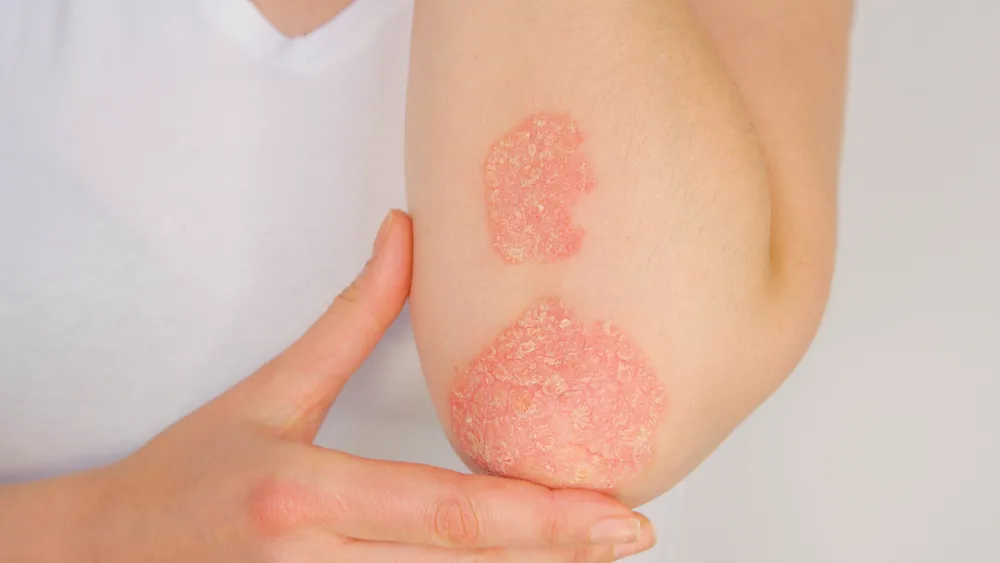
Psoriasis can flare up in response to environmental triggers, physical or emotional stressors, treatment-related changes and certain lifestyle factors. In order to reduce the frequency and intensity of these flare-ups, it is important to identify which of these triggers apply to you, so that you can reduce avoidable exposure and make your condition easier to manage.
This article explains how to recognise possible triggers, care for your skin consistently and know when to consult a dermatologist or psoriasis clinic in Singapore for a treatment review.
Key Takeaways
- Psoriasis triggers differ between individuals and may include stress, infections, skin injury, smoking, alcohol and certain medicines.
- Following treatment consistently is generally more helpful than applying medication only during severe flare-ups.
- Regular moisturising, gentle skin care and protection from injury may help reduce avoidable irritation.
- Tracking symptoms can reveal patterns that are difficult to identify from memory alone.
- More frequent flares, joint symptoms or disruption to daily life should prompt a treatment review.
What Common Triggers Can Worsen Psoriasis?
Common triggers for psoriasis flare-ups include physical or emotional stressors, illness, skin injury and irritation, lifestyle factors and certain medications. The combination of triggers differs between individuals, so tracking when your symptoms worsen and what occurred beforehand can help reveal personal patterns.
Stress, Poor Sleep and Illness
Emotional stress and poor sleep often occur together, particularly during periods of work pressure or major life changes, and both may coincide with worsening psoriasis. A visible or uncomfortable flare-up can then create additional stress, forming a cycle that makes symptoms more difficult to manage.
Illness can also precede a flare-up, particularly when an infection is involved. Streptococcal throat infections, for example, are associated with guttate psoriasis, which appears as multiple small, drop-shaped spots.
Skin Injury and Irritation
Psoriasis can sometimes develop in an area where the skin has been injured. This response is known as the Koebner phenomenon.
Cuts, scratches, insect bites, sunburn and repeated rubbing may lead to new patches in some people. Scratching itchy skin can cause further damage and may make symptoms more difficult to manage.
Heat and sweat may be especially relevant in Singapore’s climate. Loose, breathable clothing and changing out of damp clothes promptly may keep affected areas more comfortable.
Smoking, Alcohol and Certain Medications
Smoking and frequent or excessive alcohol consumption may be associated with more active psoriasis. Alcohol can also interact with certain treatments.
Some prescribed medicines may worsen psoriasis in certain people. Do not stop taking prescribed medicine without medical advice. A dermatologist can assess whether your medication may be contributing to your symptoms.
What Are Some Daily Habits That May Help Reduce Flare-Ups?
Using treatment consistently, protecting the skin from dryness and injury, tracking symptom patterns and looking after your general health may help reduce avoidable flare-ups. These habits cannot prevent every flare, but they can make triggers easier to manage and help your prescribed treatment work as intended.
Follow Your Treatment Plan Consistently
Use your treatment according to your dermatologist’s instructions, including the recommended amount, frequency and duration. Changing or stopping treatment as soon as your skin improves may allow symptoms to return, while continuing certain medicines for too long without medical supervision can also cause problems.
If your routine feels too complicated, time-consuming or inconvenient, let your dermatologist know. They may be able to adjust the formulation or simplify the plan so that it fits more easily into your daily routine.
Keep the Skin Moisturised and Protected
Dry skin may feel tighter, itchier and more uncomfortable. Apply a fragrance-free moisturiser regularly, especially after bathing, to help retain moisture.
Use warm rather than very hot water. Avoid vigorous scrubbing and pat the skin dry instead of rubbing it. Gentle cleansers and soft clothing may also reduce irritation.
Sunburn can injure the skin and trigger a flare. Use appropriate sun protection and avoid prolonged, unmonitored sun exposure.
Track Patterns in Your Symptoms
A simple psoriasis diary can help reveal patterns. Note when a flare starts, where it appears and what happened during the previous days or weeks.
Record possible factors such as illness, stress, missed treatments, new medicines, skin injuries, sleep changes and alcohol use.
Support Your General Health
Regular exercise, balanced nutrition, sufficient sleep and practical stress-management strategies may support overall health and psoriasis care.
There is no single diet that prevents flare-ups in everyone. Be cautious of restrictive diets, supplements or online ‘cures’ that promise to clear psoriasis. These should not replace medical treatment.
When Should You Review Your Psoriasis Treatment Plan?
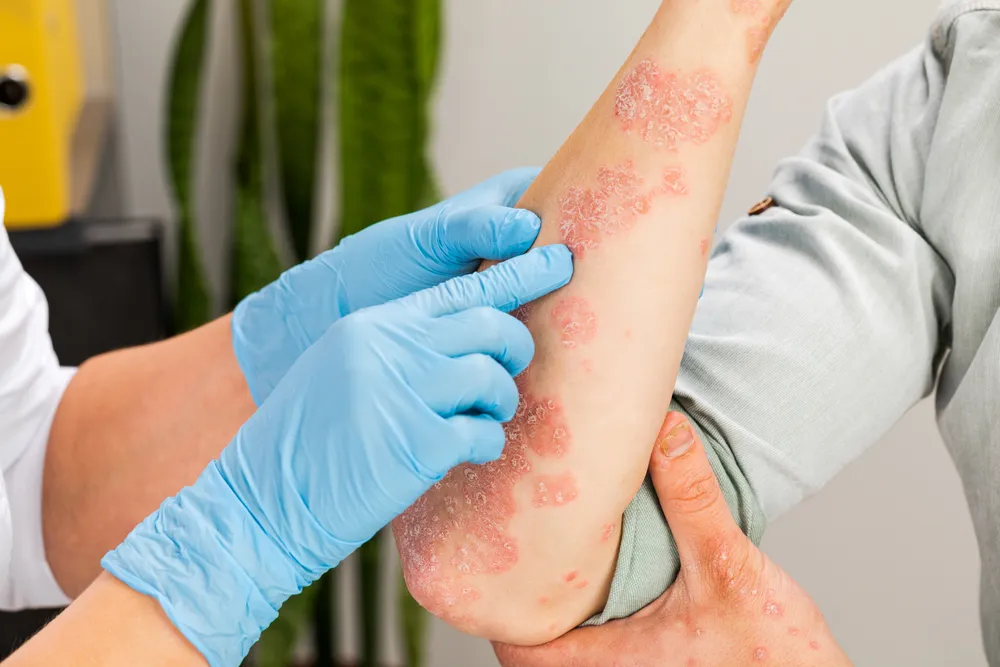
Your psoriasis treatment plan should be reviewed if flare-ups become more frequent or severe, treatment is difficult to follow, symptoms interfere with daily life or you develop joint pain, swelling or stiffness. These changes may indicate that the treatment strength, formulation or overall approach needs to be adjusted by a dermatologist.
Flare-Ups Are More Frequent or Severe
Arrange a review if plaques are spreading, returning sooner or taking longer to improve. Increasing itch, soreness, cracking or bleeding may indicate that inflammation is not adequately controlled.
Treatment Is Difficult to Follow
Topical treatment can be challenging when psoriasis affects a large area, the scalp or difficult-to-reach places. Speak to your dermatologist if the routine interferes with work, sleep or normal activities. Your dermatologist may be able to adjust the plan to make it easier to follow.
Psoriasis Is Affecting Daily Life
Psoriasis on the face, scalp, hands, feet, nails or genital area can have a substantial impact even when only a small area is involved.
Seek a review if psoriasis affects sleep, confidence, relationships, work or emotional well-being. Treatment decisions should consider its effect on daily life, not only the amount of skin involved.
You Develop Joint Symptoms
Some people with psoriasis develop psoriatic arthritis. Possible signs include recurring joint pain, swelling or stiffness, especially after rest. Fingers or toes may also become swollen.
Tell your doctor promptly. Joint inflammation may require further assessment and cannot always be managed with skin treatment alone.
Seeking Personalised Psoriasis Care at Specialist Skin Clinic
Reducing flare-ups usually involves recognising personal triggers, caring for the skin consistently and following a suitable treatment plan. Persistent or disruptive symptoms should be assessed rather than managed through trial and error. If your psoriasis flare-ups feel increasingly unpredictable or difficult to control, consulting a dermatologist can help clarify the cause and guide the next steps.
Specialist Skin Clinic is a dermatology clinic in Singapore that offers tailored care for skin conditions such as psoriasis, eczema, dandruff and acne. Care is led by Dr Cheong Wai Kwong, our senior consultant dermatologist, who considers factors such as flare patterns, previous treatment response and the impact of psoriasis on daily life when discussing suitable care options.
Book an appointment with us today to discuss how we can personalise your care, improve psoriasis control and reduce the impact of recurring flare-ups.
Frequently Asked Questions About Psoriasis
Is psoriasis contagious during a flare-up?
No. Psoriasis is not contagious, even when the plaques are red, scaly, cracked or widespread. It cannot be passed to another person through touching, close contact, shared towels, swimming pools or personal belongings.
Can psoriasis go into remission?
Yes. Psoriasis may enter remission, meaning the symptoms become much less noticeable or disappear for a period. Remission may last for weeks, months or longer, but symptoms can return because psoriasis is a long-term condition.
Does having psoriasis mean I will develop psoriatic arthritis?
No. Not everyone with psoriasis develops psoriatic arthritis. However, recurring joint pain, swelling, morning stiffness or swollen fingers and toes should be discussed with a doctor so that joint inflammation can be assessed early.

| Main Line | : (65) 6734 1411 |
| Fax | : (65) 6235 5900 |
| Mon - Fri | : 8:30am - 5:00pm |
| Sat | : 8:00am - 1:00pm |
| Closed on Sundays and Public Holidays | |