
Why Are Some People More Prone to Post-Acne Pigmentation?

Dr Cheong Wai Kwong
Senior Consultant Dermatologist
MBBS (Singapore), MRCP (UK), FRCP (Edinburgh), FAMS (Dermatology)
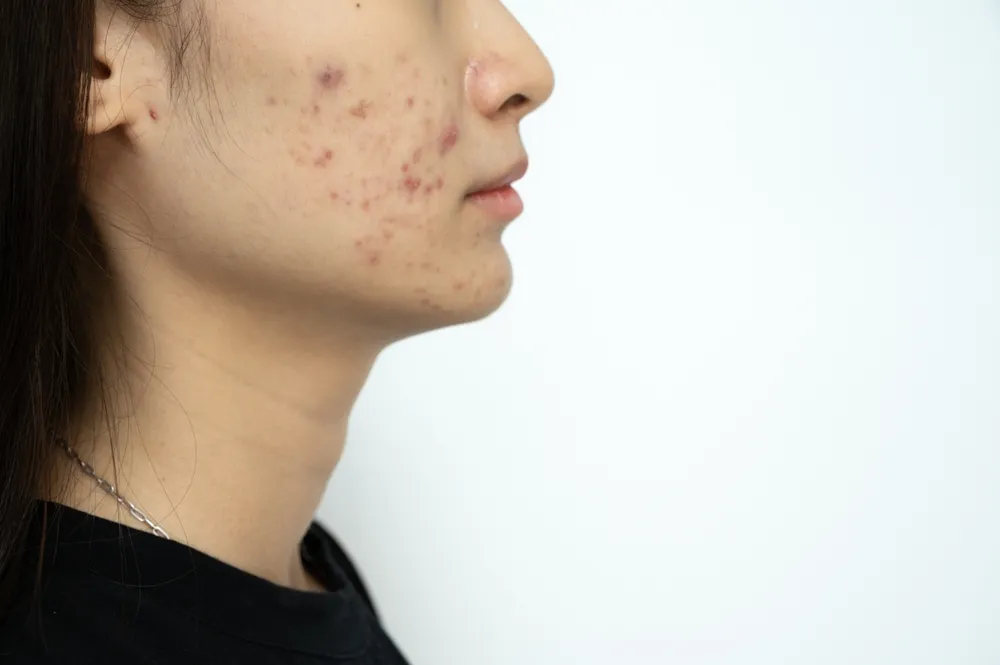
Two people can experience similar acne breakouts yet be left with very different marks once their spots heal. For some, the skin gradually returns to its usual colour. For others, flat brown, grey or dark patches remain for months.
These marks are commonly known as post-inflammatory hyperpigmentation (PIH). They develop when inflammation from acne stimulates the skin to produce excess melanin, the pigment responsible for skin colour. While PIH can affect anyone, it tends to be more noticeable and persistent in people with darker skin tones.
The likelihood and severity of post-acne pigmentation depend on several factors, including skin type, the intensity of inflammation, sun exposure and how the breakout is managed. Understanding these differences can help explain why your skin may develop pigmentation even when someone else's does not.
Why Does Acne Leave Dark Marks on the Skin?
Acne is an inflammatory skin condition. When a pimple becomes inflamed, chemical signals involved in the inflammatory response can also stimulate melanocytes, the cells that produce melanin.
This may cause more pigment to be produced and deposited in the affected area. Once the acne lesion settles, the excess pigment can remain behind as a flat mark. This is PIH rather than an acne scar, as it involves a change in skin colour rather than a permanent change in skin texture.
The depth of the pigment also matters. Pigment closer to the surface of the skin may appear brown and generally fades more readily, while pigment deposited deeper in the skin can look grey or blue-grey and may take longer to improve.
Which Skin Types Are More Prone to Post-Acne Pigmentation?
PIH can develop in all skin tones, but people with medium to darker skin are generally more susceptible. Research consistently finds that PIH is more common and can persist for longer in darker skin phototypes.
Dermatologists sometimes describe skin using the Fitzpatrick skin phototype scale, which ranges from Type I to Type VI according to how skin typically responds to ultraviolet (UV) exposure.
- Fitzpatrick Types I and II: People with lighter skin may be more likely to notice lingering red or pink marks after acne. These are not necessarily caused by excess melanin and may instead be post-inflammatory erythema, which is associated with changes in superficial blood vessels.
- Fitzpatrick Types III and IV: These phototypes are commonly seen among people with medium skin tones, including many Asian individuals. Post-acne inflammation may leave brown or grey marks that remain visible after the original breakout has healed.
- Fitzpatrick Types V and VI: People with darker skin phototypes are generally more susceptible to PIH, and the resulting pigmentation may be more persistent. However, the extent of discolouration still varies according to the inflammatory response and other individual factors.
Skin tone alone, however, does not determine whether pigmentation will develop. Two people with a similar skin tone can still respond differently to comparable breakouts.
Why Can the Same Type of Pimple Leave Different Marks?
The visible size of a pimple does not always reflect how much inflammation is occurring within the skin. Even relatively mild acne can sometimes result in PIH.
More intense or prolonged inflammation can stimulate greater melanin production. This means deep, painful or persistent inflammatory acne may have a greater likelihood of leaving noticeable pigmentation than a breakout that settles quickly.
Individual melanocyte activity also varies. Some people's pigment-producing cells respond more readily to inflammation, so a relatively minor spot may leave a noticeable mark.
The location and depth of inflammation can make a difference as well. If inflammation affects deeper layers of the skin or disrupts the junction between the epidermis and dermis, pigment may settle more deeply and take longer to fade.

How Do Sun Exposure and Singapore's Climate Affect Post-Acne Marks?
UV radiation can stimulate melanin production, which may make existing PIH darker or more persistent. Visible light may also contribute to pigmentation, particularly in darker skin phototypes.
This is particularly relevant in Singapore, where sun exposure occurs throughout the year. Consistent sun protection can therefore form an important part of managing skin that is prone to post-acne pigmentation.
Heat and humidity do not directly cause PIH, but they may influence skin oiliness, sweating and skincare habits. For people prone to acne, ongoing breakouts can lead to repeated inflammation, increasing the likelihood of developing new pigmented marks.
Understand Your Post-Acne Pigmentation With Specialist Skin Clinic
Being more prone to post-acne pigmentation does not necessarily mean your acne is more severe than someone else’s. Understanding how your skin responds to inflammation can help you make more informed decisions about managing persistent marks, including whether pigmentation treatment may be appropriate, rather than comparing your skin with someone who may appear to have a similar skin type or breakout.
At Specialist Skin Clinic, our consultant dermatologists provide personalised assessment and care for acne and pigmentation concerns, backed by over 60 years of combined dermatology experience. Dr Cheong Wai Kwong, senior consultant dermatologist, has practised dermatology since 1986 and has clinical interests that include acne and acne scars. This depth of expertise helps the team assess how acne and post-acne marks vary between patients and tailor care to individual skin concerns.
If your post-acne pigmentation persists or you would like to better understand why your skin is prone to developing dark marks, book an appointment with us.
FAQs
Is a brown mark after acne always post-inflammatory hyperpigmentation?
Not always. A flat brown or grey mark that develops after a pimple may be PIH, but conditions such as melasma or sun-related pigmentation can also cause brown patches on the skin. A dermatologist can consider where the marks appear, when they developed and whether they correspond with previous acne to determine the likely cause.
What is the difference between post-acne pigmentation and acne scars?
Post-acne pigmentation primarily changes the colour of the skin while leaving its surface relatively flat. Acne scars involve changes to the skin's texture and may appear as depressions, raised areas or unevenness. It is possible to have both pigmentation and scarring in the same area.
Can post-acne pigmentation go away on its own?
Yes, some post-acne pigmentation can fade gradually as the skin naturally renews itself. Lighter, surface-level marks may improve over several months, while deeper pigmentation can take longer to fade.
Can picking or squeezing pimples increase the risk of post-acne pigmentation?
Yes. Picking or squeezing pimples can cause additional skin injury and inflammation, increasing the likelihood of post-inflammatory hyperpigmentation. Repeatedly disturbing an acne lesion may also prolong healing. Avoiding unnecessary manipulation of pimples and managing acne appropriately can help reduce the risk of developing persistent dark marks.
Meet Our Doctor
Dr Cheong Wai Kwong
Senior Consultant DermatologistMBBS (Singapore), MRCP (UK), FRCP (Edinburgh), FAMS (Dermatology)Dr Cheong Wai Kwong is a dermatologist who has practised since 1986, with experience in Singapore and the United Kingdom. His areas of interest include cutaneous photobiology and phototherapy for skin conditions such as eczema, psoriasis and vitiligo. He is also a past President of the Dermatological Society of Singapore.

| Main Line | : (65) 6734 1411 |
| Fax | : (65) 6235 5900 |
| Mon - Fri | : 8:30am - 5:00pm |
| Sat | : 8:00am - 1:00pm |
| Closed on Sundays and Public Holidays | |