

Laser Tattoo Removal: Understanding Results and Expectations

Dr Cheong Wai Kwong
Senior Consultant Dermatologist
MBBS (Singapore), MRCP (UK), FRCP (Edinburgh), FAMS (Dermatology)
A tattoo is often described as a lifelong commitment. However, personal circumstances, preferences and priorities can change how a person feels about their tattoos over time. Some individuals may feel that a tattoo no longer reflects who they are, while others may wish to remove it for professional, social or personal reasons. It is also common for people to seek removal of tattoos that have faded unevenly, changed in appearance or were not done as intended.
In these situations, laser tattoo removal may be considered as a professional method for removing unwanted tattoos under medical supervision. Understanding how the treatment works, the expected timeline and possible side effects can help individuals make more informed decisions before starting the removal process.
How Does Laser Tattoo Removal Work?
To understand how the removal process works, it is helpful to first understand what makes tattoos permanent.
When a tattoo is first applied, the ink is deposited into the dermis, which is the deeper layer of the skin, located beneath the outer epidermis. While the epidermis naturally sheds and renews itself, the dermis does not usually change. As such, the pigment particles are trapped in the skin permanently.
In order for the body to absorb and remove these particles, they first need to be broken up. Laser tattoo removal works by delivering short pulses of high-intensity light into the skin. These laser pulses are absorbed by the tattoo pigments, causing the ink particles to fragment into much smaller pieces.
Once broken down, the body's immune system can gradually clear away these smaller pigment fragments over time, resulting in the removal of the tattoo.
What Factors Can Affect Laser Tattoo Removal Results?
The effectiveness of laser tattoo removal mostly depends on factors related to the tattoo itself.
Tattoo Ink Colours
Different tattoo ink colours respond differently to laser treatment. Black and dark blue inks are generally the easiest to remove because they absorb laser energy more effectively. In contrast, lighter colours such as green, yellow, turquoise and fluorescent pigments can be more difficult to treat and may require additional sessions or specialised laser wavelengths.
Tattoo Size and Depth
Larger tattoos typically require more treatment sessions because there is a greater amount of pigment that needs to be broken down. Tattoos with densely packed or deeply embedded ink may also respond more slowly, as the laser energy must penetrate further into the dermal layer to target the pigment effectively.
Age of the Tattoo
Older tattoos may sometimes respond better to treatment because some natural fading has already occurred over time. As the body gradually breaks down small amounts of pigment naturally, older tattoos may contain less concentrated ink compared to newer tattoos.
Professional vs Amateur Tattoos
Professional tattoos are often more challenging to remove because they usually contain larger amounts of ink deposited more evenly and deeply within the skin. Amateur tattoos are often placed more superficially and may contain less dense pigment, which can make them easier to fade with laser treatment.
Immune Response and Healing
Laser treatment breaks tattoo pigments into smaller fragments, but the body's immune system is responsible for clearing these particles over time. Individual healing responses and immune activity can therefore influence how quickly the tattoo fades between sessions. Following proper aftercare instructions and allowing adequate healing time between treatments may also support better treatment outcomes.
How Many Sessions Are Usually Needed for Effective Tattoo Removal?
The number of tattoo removal treatments required will largely depend on the amount and type of tattoo ink. The average professional tattoo requires around 6–8 treatments, while amateur tattoos require 3–4 sessions.
Laser tattoo removal sessions are commonly spaced 6–8 weeks apart. This allows the skin time to heal properly while giving the body enough time to gradually clear fragmented ink particles between treatments.
Some tattoos can be removed very effectively, while others may only fade significantly rather than disappear entirely. Certain ink colours and deeply embedded pigments can be more resistant to treatment. A consultation with a dermatologist can help provide a more personalised estimate based on the tattoo and skin type.
How Should You Care for Your Skin After Treatment?
Proper aftercare following laser tattoo removal is important to support skin healing and reduce the risk of complications such as irritation, infection or pigmentation changes. There are several measures that you should take in order to ensure effective healing.
Keep the Area Clean and Dry
The treated area should be kept clean and dry during the initial healing period. Gentle cleansing with mild soap and water may help reduce irritation while avoiding unnecessary friction on the skin.
Avoid Picking or Scratching the Skin
Some individuals may experience temporary blistering, scabbing or peeling after treatment. It is important not to pick, scratch or remove scabs prematurely, as this may increase the risk of scarring or pigmentation changes.
Protect the Skin From Sun Exposure
Sun protection is important after laser treatment, as the skin may become more sensitive to ultraviolet (UV) exposure. Direct sun exposure should be minimised and sunscreen may be recommended once the skin has healed sufficiently.
Avoid Activities That May Irritate the Skin
Activities that expose the treated area to excessive heat, friction or moisture, such as swimming, hot baths, saunas or intense exercise, may need to be avoided temporarily while the skin heals.
Specific aftercare recommendations may vary depending on the size and location of the tattoo, as well as the individual's skin response. Following the dermatologist's instructions carefully can help support safer healing and better treatment outcomes.
Visiting a Specialist for Professional Tattoo Removal Treatment
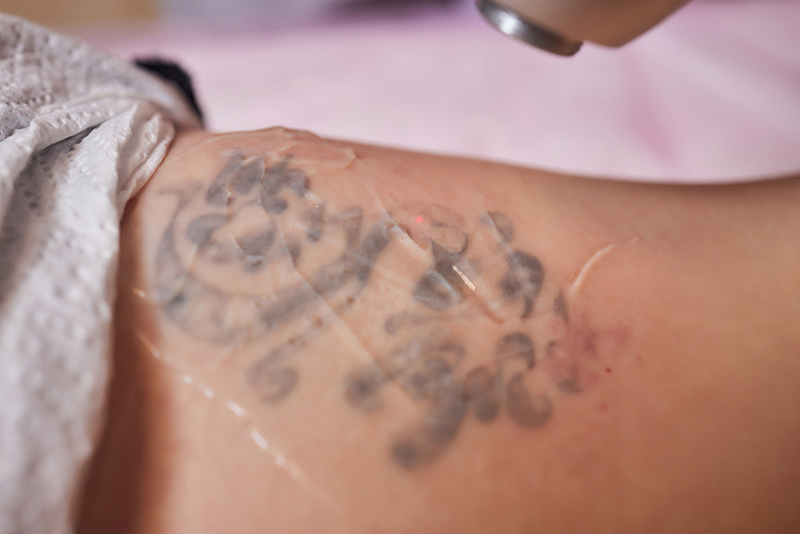
Laser tattoo removal should be performed under professional medical supervision to help minimise the risk of complications such as scarring, burns or pigmentation changes. A dermatologist can assess factors such as skin type, tattoo characteristics and ink colours to determine a more suitable treatment approach and expected treatment timeline.
Beyond tattoo removal, laser technology may also be used in dermatology for the treatment of other pigment-related skin concerns, including certain birthmarks, freckles, age spots and hyperpigmentation. At Specialist Skin Clinic, laser treatment plans are tailored according to the individual's skin condition, treatment goals and skin response. Under the care of Senior Consultant Dermatologist Dr Cheong Wai Kwong, patients can receive medically guided treatment supported by careful assessment, with personalised care and ongoing monitoring throughout the treatment process.
If you are considering laser tattoo removal or would like to learn more about laser treatments for pigmentation and other skin concerns, contact us today to arrange a consultation.
Frequently Asked Questions (FAQs) About Laser Tattoo Removal
Are there side effects to laser tattoo removal?
Mild redness, swelling or sensitivity may occur after treatment and usually improves gradually over the following days. Some individuals may also experience temporary blistering, scabbing or peeling as the skin heals. In some cases, temporary pigmentation changes such as darkening or lightening of the treated skin may occur, particularly in individuals with darker skin tones. Following proper aftercare instructions may help reduce the risk of complications.
What does laser tattoo removal feel like?
Laser tattoo removal is considered painful, comparable to getting a tattoo in the first place. Individuals often describe the sensation of laser tattoo removal as similar to the snapping of a rubber band against the skin or small bursts of heat. The level of discomfort can vary depending on factors such as the tattoo location, skin sensitivity and treatment intensity. Cooling devices or numbing creams may sometimes be used to improve comfort during the procedure.
Can all tattoos be completely removed?
Laser tattoo removal can significantly fade many tattoos, but complete removal may not always be possible in every case. Certain colours, including green and yellow pigments, may respond less effectively to treatment and may require additional sessions. Consulting a dermatologist ahead of time can help you assess these factors.
How long does it take to recover after each treatment session?
The mild redness and swelling may settle within a few days, but your skin typically takes 1–2 weeks to heal from the laser treatment. Sessions are spaced 6–8 weeks apart to allow time for the skin to recover fully and for the body to clear fragmented ink particles.

| Main Line | : (65) 6734 1411 |
| Fax | : (65) 6235 5900 |
| Mon - Fri | : 8:30am - 5:00pm |
| Sat | : 8:00am - 1:00pm |
| Closed on Sundays and Public Holidays | |