

How Do Dermatologists Manage Moderate to Severe Eczema?

Dr Cheong Wai Kwong
Senior Consultant Dermatologist
MBBS (Singapore), MRCP (UK), FRCP (Edinburgh), FAMS (Dermatology)
Moderate to severe eczema can cause persistent itching, inflamed or broken skin and flare-ups that disrupt sleep and daily life. Dermatologists manage it by assessing its severity, treating active flares and tailoring a longer-term plan that may include topical medication, phototherapy or systemic treatment.
When symptoms keep returning or remain difficult to control, a dermatologist can review your treatment routine and adjust your care. Understanding how these decisions are made can help you discuss your treatment options with confidence.
Key Takeaways
- Dermatologists assess eczema severity by looking at the affected skin, itch, sleep disruption and impact on daily life.
- Treatment may include prescription creams, phototherapy, biologics or oral medication, depending on symptoms and response.
- Longer-term care may involve maintenance treatment, managing triggers and reviewing the treatment plan.
- The plan takes account of the patient’s age, health and previous response to treatment.
How Do Dermatologists Assess and Diagnose Eczema?
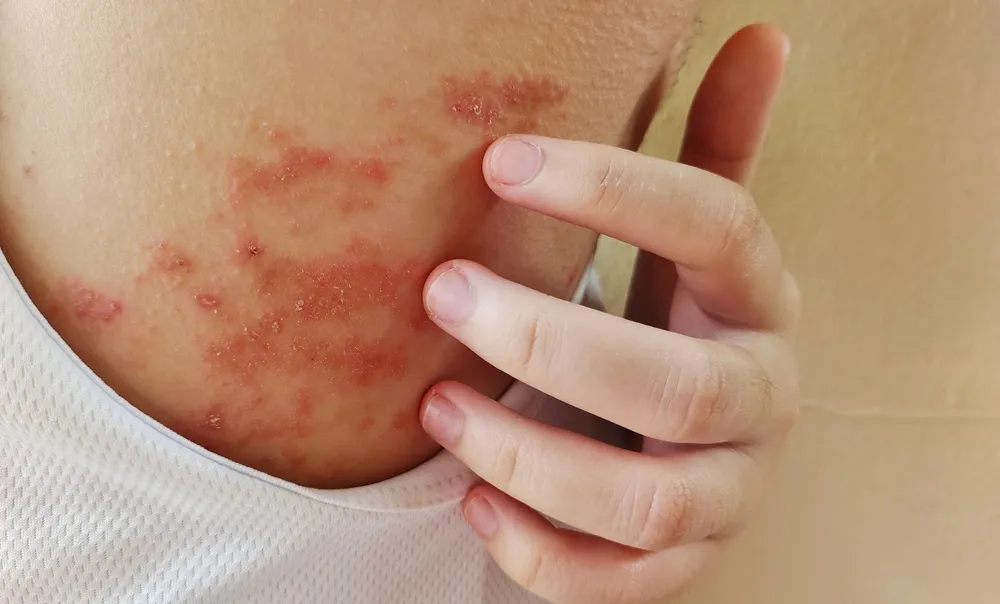
Dermatologists assess the impact of eczema according to visible skin changes, itching, disruption to sleep and other daily activities, recurrence rate and the wider effect it has on the patient's life.
There is no single laboratory test that determines eczema severity, so a dermatological assessment combines clinical examination with the patient’s symptoms and disease history.
How Is an Eczema Diagnosis Confirmed?
The dermatologist examines the pattern, appearance and location of the rash and asks about symptoms, family history, allergies and previous treatments.
This assessment helps distinguish atopic dermatitis from conditions that can appear similar, including contact dermatitis, psoriasis, fungal infections and scabies. Additional testing is not routinely required, although patch testing, skin swabs or other investigations may be recommended when the diagnosis is uncertain or an allergy or infection is suspected.
What Makes Eczema Moderate or Severe?
Severity may be assessed according to:
- The amount of skin affected
- The degree of redness, swelling, cracking or oozing
- How intense or frequent the itching is
- Whether symptoms disrupt sleep or daily life
- How often flare-ups occur and how long they last
- Whether sensitive areas such as the face, hands or skin folds are involved
Dermatologists may use recognised tools such as the Eczema Area and Severity Index (EASI) or patient-reported questionnaires to record severity and monitor improvement. A relatively small area of eczema may still be severe when it affects the hands, face or a sensitive region.
Dermatologists therefore consider the overall disease burden, not only how the skin looks, when deciding whether treatment should be intensified.
How Do Dermatologists Treat Moderate to Severe Eczema?
Treatment depends on the severity of the eczema, the areas affected and how well previous treatments have worked. The immediate aim of treatment is usually to control active inflammation and restore the skin barrier. When eczema remains persistent or difficult to manage with topical treatment alone, other options may be considered.
How Are Active Flares Treated?
Daily use of a fragrance-free moisturiser may help reduce dryness and support the skin barrier. During flares, topical corticosteroids may be prescribed based on age, severity and affected area.
Non-steroid options such as topical calcineurin inhibitors may be used for sensitive areas or longer-term control. Moisturisers and prescription topicals remain key parts of eczema management.
For selected patients with more severe flares, short-term wet-wrap therapy may be recommended to improve hydration and support the effectiveness of prescribed topical treatment.
When Is Phototherapy Considered?
Narrowband UVB phototherapy may be used when topical treatments are insufficient or when eczema is widespread.
Treatment is delivered in controlled clinic doses over multiple sessions and is not the same as sun exposure or tanning beds. Medical supervision is required.
When Are Biologics or Oral Medicines Used?
Biologics or oral medicines may be considered when moderate to severe eczema remains difficult to control despite appropriate topical treatment, or when the condition continues to significantly affect sleep and daily activities.
The choice of treatment depends on the individual patient and how their eczema has responded to previous care. Biologics target specific pathways involved in inflammation, while oral options may include JAK inhibitors or conventional immunosuppressive medicines. Some treatments require additional screening or monitoring before and during use.
A dermatologist can discuss the expected benefits, possible risks and practical considerations of each option before deciding whether systemic treatment is appropriate.

How Is Eczema Managed in the Long Term?
Long-term eczema management is not only about treating each flare as it appears. The aim of treatment is also to reduce how often symptoms return, and for the patient to recognise early signs of flare-ups so that they can proactively pursue treatment.
A dermatologist manages moderate to severe eczema with a plan for active flares and periods when the skin is calmer. This may include regular moisturising, maintenance treatment for areas that repeatedly flare and clear instructions on what to do when symptoms return.
At follow-up appointments, the dermatologist reviews symptoms, treatment response and any side effects. They can then adjust the plan if eczema remains active or reduce treatment where appropriate once it is better controlled. The aim is to keep symptoms under control with a plan the patient can follow over time.
Discuss Eczema Treatment Options With Dr Cheong Wai Kwong
If eczema remains difficult to control, a dermatology assessment can help clarify its severity, review previous treatment responses and determine what other management options may be appropriate.
Specialist Skin Clinic is a dermatology clinic in Singapore that offers tailored care for skin conditions such as psoriasis, eczema, dandruff and acne. Dr Cheong Wai Kwong, our senior consultant dermatologist, reviews factors such as flare patterns, previous treatment response and the effect of eczema on daily life when discussing suitable management options.
Book an appointment to discuss suitable eczema management options and concerns about recurring flare-ups.
FAQs About Eczema Management
When should I see a dermatologist for eczema?
Consider a dermatology assessment when eczema:
- Does not improve with appropriate treatment
- Frequently disrupts sleep or daily activities
- Affects large or sensitive areas of skin
- Becomes infected repeatedly
- Keeps returning despite prescription treatment
Can eczema be cured permanently?
Atopic dermatitis is a chronic condition with no permanent cure. Symptoms may improve over time, especially in children, but eczema can persist or return in adulthood.
With appropriate treatment and regular skin care, flare-ups may become less frequent and easier to manage. Longer symptom-free periods usually reflect good disease control rather than a permanent cure.
How do dermatologists tell if eczema treatment is working?
They assess changes in the rash and itching, along with sleep and daily activities. They may also compare severity scores across appointments and review any side effects before deciding whether to continue or adjust treatment.
What should I do if eczema flares during treatment?
Follow the flare plan your dermatologist has given you. If flares become frequent, more severe or difficult to control, arrange a review so your dermatologist can reassess the treatment plan.

| Main Line | : (65) 6734 1411 |
| Fax | : (65) 6235 5900 |
| Mon - Fri | : 8:30am - 5:00pm |
| Sat | : 8:00am - 1:00pm |
| Closed on Sundays and Public Holidays | |