
How Does a Dermatologist Remove Acne and Acne Scars?

Dr Cheong Wai Kwong
Senior Consultant Dermatologist
MBBS (Singapore), MRCP (UK), FRCP (Edinburgh), FAMS (Dermatology)
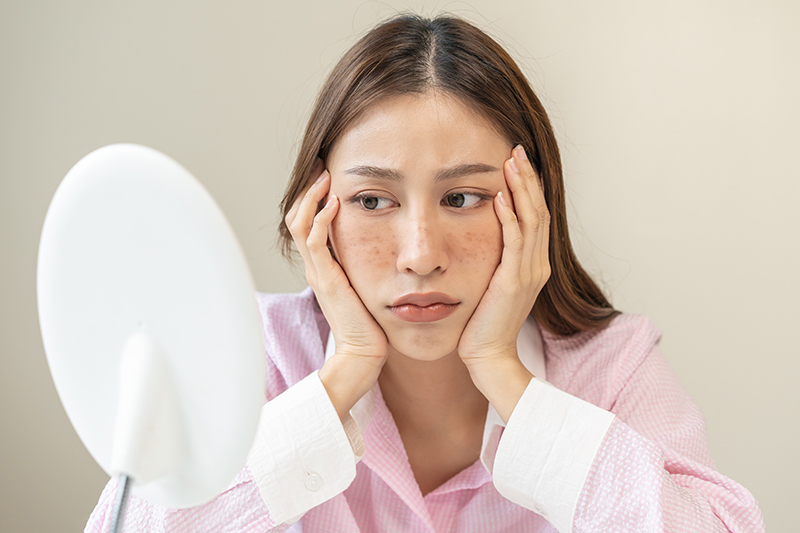
Acne does not always end when the breakouts clear. For some individuals, visible marks and permanent textural changes could haunt their skin long after the last pimples have subsided. These scars could appear as red or brown marks, shallow depressions or raised marks; but no matter what form they take, they always have the potential to affect confidence in one's skin.
In many cases, dermatologists are able to carry out acne scar treatment through a variety of approaches, depending on the shape, texture and depth of the scar, leading to an improvement in skin tone and texture over time.
Understanding how this treatment is carried out can help guide expectations and aid a patient in pursuing dermatological care decisions.
Understanding Acne and How It Leads to Scarring
Acne develops when hair follicles become clogged with oil, dead skin cells and bacteria. This can lead to inflammation beneath the skin, which varies in severity from mild clogged pores to deeper, more painful cystic breakouts.
The more severe the inflammation, the higher the chance that the skin's natural healing process may be affected. This is because the skin needs to produce collagen to rebuild damaged tissue, and producing too much or too little could cause scars to form.
Even after the skin surface heals, some people may notice lingering redness or dark marks. These are caused by changes in blood vessels or pigmentation rather than true scarring, but they can still affect overall skin appearance.
Factors such as delayed treatment, frequent picking or squeezing and individual healing responses can all influence whether acne leaves lasting marks.
Types of Acne Scars
Acne scars can vary in appearance depending on how the skin heals after inflammation. Identifying the type of scar is an important step in determining the most appropriate treatment approach.
Atrophic (Depressed) Acne Scars
These scars form when the skin does not produce enough collagen during healing, resulting in indentations or depressions in the skin. Some further categories include:
- Ice-pick scars: These scars are narrow and deep, resembling small puncture marks
- Boxcar scars: Wider depressions with defined edges, often appearing round or oval in shape, similar to chicken pox scars
- Rolling scars: Broad, shallow depressions with smooth edges that create an uneven or wavy skin texture
Hypertrophic and Keloid Scars
These are raised scars that occur when the skin produces excess collagen during the healing process, leading to a build-up in tissue. They are more commonly found on areas such as the chest, back or jawline and may appear firm or lumpy.
- Hypertrophic scars: Raised scars that stay within the boundary of the original acne lesion
- Keloid scars: More aggressive overgrowths of scar tissue that extend beyond the original acne site and may continue to grow.
Common Approaches to Acne Removal Treatment
Acne scars can vary widely in their appearance and depth. As such, treatment is not a one-size-fits-all approach. Dermatologists select specific procedures based on the type of marks or scars present, often combining methods to achieve smoother skin and more even tone. The following are some of the commonly used treatments and the types of concerns they are designed to address.
IPL (Intense Pulsed Light) for Redness and Pigmentation
IPL targets residual redness and early post-acne marks by constricting small blood vessels beneath the skin. It can also help improve pigmentation in certain cases, making it useful for patients dealing with lingering red or brown marks after acne breakouts.
Lightening Creams and SilkPeel® for Pigmented Marks
Topical lightening agents can be used to reduce excess pigmentation, while SilkPeel® dermalinfusion combines exfoliation with targeted serum delivery to improve uneven skin tone. These approaches are typically used for brown marks and pigmented spots rather than true scarring.
Cortisone Injections for Raised Scars
Cortisone injections are often used to treat hypertrophic and keloid scars. They work by reducing inflammation and slowing excess collagen production, helping to flatten and soften raised scars over time.
Subcision and Punch Excision for Deep Scars
These minor surgical techniques are used for deeper atrophic scars, such as ice-pick scars. Subcision releases fibrous bands beneath the skin, while punch excision removes the scar entirely, allowing the skin to heal more evenly.
Fractional CO2 Laser and Fillers for Depressed Scars
Fractional CO2 laser treatments stimulate collagen production to resurface the skin and improve texture. In some cases, dermal fillers may be used alongside laser treatment to lift depressed areas and create a smoother appearance.
When Should You Visit a Dermatologist for Acne Scar Removal?
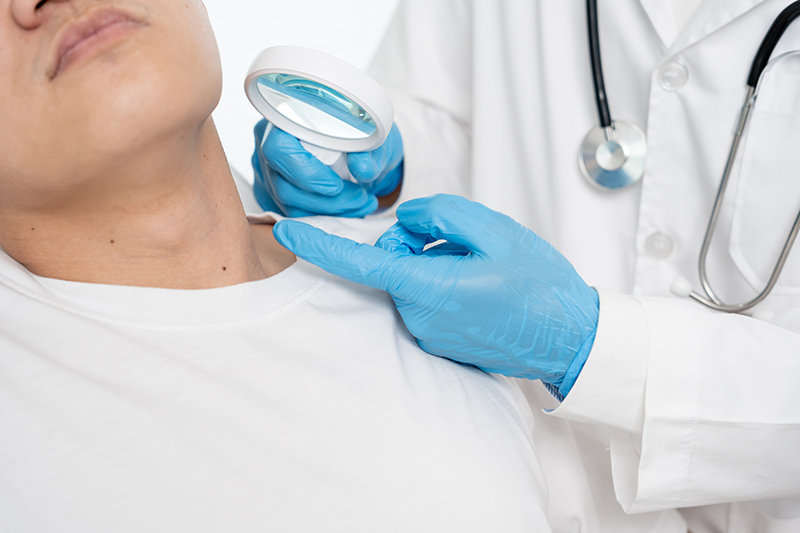
If acne marks or scars persist despite time or over-the-counter treatments, it may be a sign that medical intervention is needed. This is especially relevant for deeper or raised scars, as well as pigmentation that does not fade, as these often require procedural treatments rather than topical care alone. Early assessment can also help reduce the risk of long-term skin damage.
Managing acne and its after-effects often involves a combination of techniques, which dermatologists are trained to assess and tailor. By customising a treatment approach based on scar type and severity, it becomes possible to more precisely address a patient's unique skin needs.
If you are considering acne removal or treatment for acne scars, a consultation with our dermatologists can help you better understand your skin condition and the options available. Specialist Skin Clinic offers acne removal and acne scar treatment in Singapore, guided by a medically-driven approach that allows for targeted and personalised treatment. Care is led by Senior Consultant Dermatologist Dr Cheong Wai Kwong, who aims to address both current concerns and longer-term skin outcomes.
Contact us today to schedule an assessment and explore a personalised treatment plan suited to your needs.

| Main Line | : (65) 6734 1411 |
| Fax | : (65) 6235 5900 |
| Mon - Fri | : 8:30am - 5:00pm |
| Sat | : 8:00am - 1:00pm |
| Closed on Sundays and Public Holidays | |