

Why Might Your Eczema Not Be Improving Despite Treatment?

Dr Cheong Wai Kwong
Senior Consultant Dermatologist
MBBS (Singapore), MRCP (UK), FRCP (Edinburgh), FAMS (Dermatology)
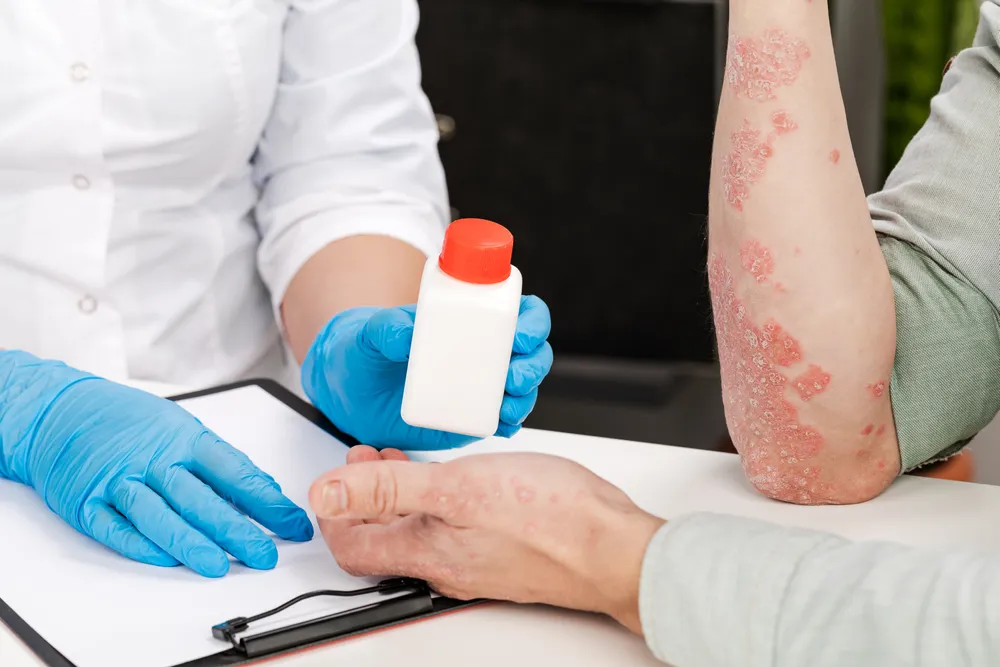
Eczema may remain active despite treatment because of continued exposure to irritants or allergens, difficulties with applying prescribed medication or other skin conditions that require a different approach. In some cases, the current treatment may also be insufficient to control the severity of inflammation.
When itching and rashes persist or repeatedly return after improving, it can be frustrating to continue eczema treatment without understanding why the symptoms remain difficult to control. It's easy to start wondering whether you should simply carry on or ask for another review.
Key Takeaways
- Persistent eczema may be linked to continued irritation or problems with how topical treatment is being used.
- Eczema that clears but repeatedly returns may benefit from preventive treatment to reduce future flares.
- Poor treatment response warrants reassessment, while sudden painful blistering or signs of serious infection require urgent medical attention.
What Can Cause Treatment to Become Less Effective?
Eczema treatment may become less effective when the prescribed medication is no longer suitable for the condition, ongoing irritation or allergic triggers interfere with recovery, or infections and other skin conditions complicate treatment. Identifying which of these factors is affecting your skin can help a specialist clinic determine whether the current approach needs to be adjusted or further assessment is required.
Unsuitable Treatment or Incorrect Application
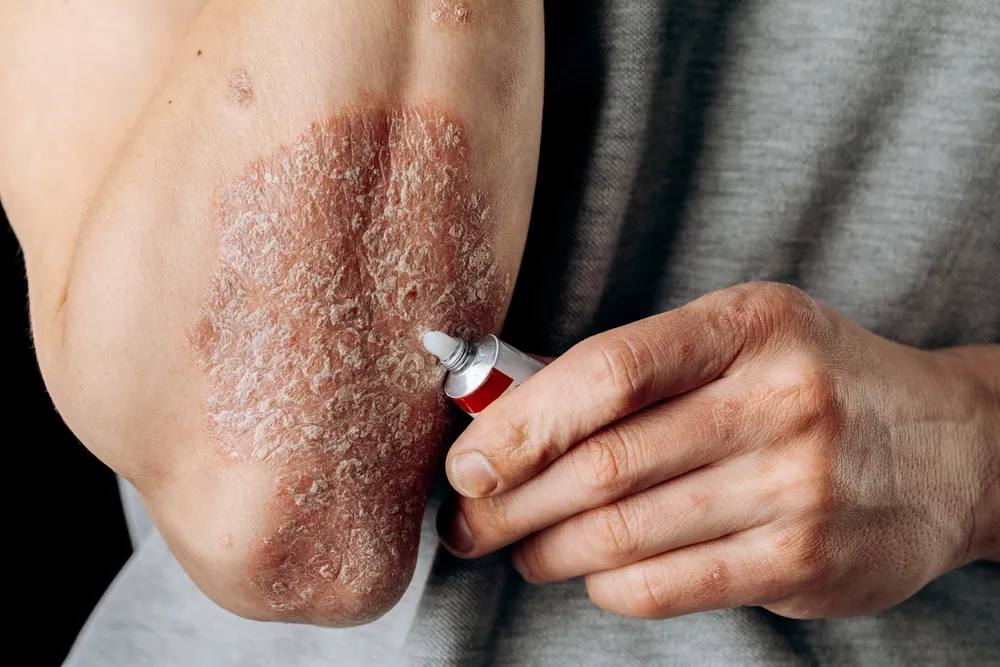
Topical treatments are selected according to the severity and location of eczema. A preparation suitable for thicker skin on the hands may not be appropriate for more delicate areas around the face. If eczema becomes more extensive or begins affecting new locations, the original prescription may need reviewing.
Treatment response can also be limited when a prescribed cream is applied in smaller amounts or stopped earlier than advised. This may happen when instructions are unclear or concerns about side effects lead to shorter courses. Understanding how the medicine has been used helps the dermatologist establish whether the prescribed approach has received an adequate trial.
Ongoing Irritation and Allergic Triggers
Frequent washing and wet work can repeatedly remove moisture from the skin, making hand eczema particularly difficult to control. Regular moisturiser use helps support the skin barrier between applications of prescribed anti-inflammatory treatment. Without sufficient daily care, the skin may remain dry and vulnerable to further irritation.
Scratching can prolong this inflammation by damaging skin that is already sensitive. When itching continues between applications, the affected areas may struggle to recover fully.
Someone with atopic eczema may also develop a contact allergy to a product they previously tolerated. This can prolong inflammation, particularly when the substance repeatedly touches the same area. A rash that persists in one location may therefore warrant investigation into continued exposure.
Secondary Infections or Other Skin Conditions
Eczema can become more difficult to control when scratched or broken skin develops a bacterial infection. The affected area may become increasingly painful or develop yellow crusting, suggesting that another problem is contributing to the inflammation.
Some skin conditions can also resemble eczema despite having a different cause. A fungal infection, for instance, generally requires antifungal treatment rather than eczema medication alone. If a rash spreads or changes despite appropriate treatment, reconsidering the diagnosis may be more useful than continuing the same prescription.
How Can a Specialist Clinic Review and Adjust Eczema Treatment?
At a specialist clinic, your dermatologist can review eczema treatment by assessing how prescribed medications and daily skin care are being used, whether preventive treatment could reduce recurring flares and whether more advanced therapies are needed for difficult-to-control eczema. These considerations help determine which parts of the existing treatment plan should be maintained, adjusted or supplemented.
Reviewing Topical Treatment and Skin Care
A treatment review can clarify whether the prescribed cream has been applied in the intended amount and for the recommended duration. This is particularly useful when instructions have been difficult to follow or concerns about steroid use have affected treatment.
For topical steroid creams, your dermatologist may demonstrate the fingertip unit method. One fingertip unit is a line of cream measured from the tip of an adult's index finger to its first crease. This provides a practical guide to how much medicine is needed for a specified area, rather than relying on a vague instruction to apply a "thin layer".
When steroid treatment is unsuitable for a particular area or causes unwanted effects, a non-steroid topical medicine may be considered. Any adjustments should also account for daily moisturising, which supports the skin barrier while prescribed medication controls active inflammation.
Preventive Treatment for Recurrent Flares
When eczema settles with treatment but frequently returns in the same areas, management may shift towards preventing future flares.
For suitable patients, a dermatologist may prescribe intermittent anti-inflammatory treatment to previously affected skin after the flare has cleared. This approach aims to reduce recurring inflammation while daily moisturiser use continues. The frequency and duration of preventive treatment depend on the medicine selected and how the eczema responds.
Treatment Options Beyond Creams and Ointments
Eczema that remains troublesome despite an adequate course of topical treatment may require another approach. Depending on its severity, a dermatologist may consider eczema treatment options beyond creams or ointments.
These may include phototherapy, which uses medically supervised ultraviolet light to reduce skin inflammation. Medicines that act on the body's inflammatory response may also be considered for more difficult-to-control eczema.
The decision to use these treatments depends on how severely eczema is affecting the patient and whether the expected benefits justify the potential risks or monitoring involved.
When Should You Seek Medical Attention for Persistent Eczema?
Medical attention is recommended when eczema remains poorly controlled despite appropriate treatment, develops unusual symptoms or shows signs of infection. The timing of assessment depends on whether the concern involves persistent symptoms requiring further review or changes that need urgent treatment.
Persistent Symptoms Requiring Specialist Review
For atopic eczema, a flare that persists beyond 2–4 weeks despite appropriate topical treatment is one reason to consider seeing a dermatologist. A review may also be appropriate sooner when the diagnosis is uncertain or the prescribed treatment causes significant side effects.
The dermatologist may compare the current rash with its earlier appearance and examine whether the affected areas suggest an additional condition. When contact allergy is suspected, patch testing may help identify a substance responsible for the reaction.
A skin scraping may be recommended if a fungal infection needs to be ruled out. These investigations are selected according to the examination findings rather than being necessary for every persistent eczema flare.
During a consultation, your dermatologist can reassess the rash, review previous treatment responses and determine whether additional testing would help identify contributing factors.
Warning Signs Requiring Urgent Medical Attention
If your eczema worsens rapidly and you become severely unwell, seek emergency medical attention.
Increasing pain, warmth, swelling or spreading redness may indicate a skin infection, particularly when accompanied by fever. These changes warrant prompt medical assessment, especially if the affected area is worsening rapidly.
Sudden clusters of painful blisters or small, round open sores may indicate eczema herpeticum, a potentially serious viral infection requiring same-day medical assessment and treatment.
Improve Persistent Eczema Control With Dr Cheong Wai Kwong
When eczema continues despite treatment, identifying the reasons for inadequate improvement is important for achieving better symptom control. A thorough reassessment can help address ongoing triggers, resolve treatment-related difficulties and determine whether changes to the current management plan are needed to reduce recurring flares.
At Specialist Skin Clinic, patients can receive specialist assessment and personalised care for persistent eczema and other inflammatory skin conditions. Senior Consultant Dermatologist Dr Cheong Wai Kwong is a doctor who specialises in eczema in Singapore. Dr Cheong has a special interest in atopic dermatitis, with experience in phototherapy and newer eczema treatments, and can reassess your diagnosis, evaluate previous treatment responses and identify factors contributing to ongoing inflammation before recommending appropriate adjustments.
Book an appointment to review your treatment response and discuss the next steps in your care.
Frequently Asked Questions About Persistent Eczema
How can I tell whether my eczema treatment has had enough time to work?
There is no single timeframe that applies to every eczema treatment. Some topical treatments can begin reducing inflammation and itching within several days, while others require longer to achieve their intended effect. Your dermatologist can advise when improvement should be expected and whether treatment needs reviewing if symptoms persist.
Should I continue using my prescribed eczema cream if my skin is not improving?
Yes. Continue using your eczema cream as prescribed and contact your doctor promptly if your skin is not improving. Avoid increasing the amount, changing how frequently you apply it or stopping treatment without medical advice. You should only stop if you develop a concerning reaction, such as severe irritation or worsening inflammation after application, and this should prompt you to seek medical advice as soon as possible.
What should I bring to a review if my eczema is not improving?
Bring details of your current and previous treatments, including the names of prescribed creams, how frequently they were applied and how long they were used. It can also help to explain how often you use them and whether the eczema has changed since treatment began.

| Main Line | : (65) 6734 1411 |
| Fax | : (65) 6235 5900 |
| Mon - Fri | : 8:30am - 5:00pm |
| Sat | : 8:00am - 1:00pm |
| Closed on Sundays and Public Holidays | |